October 21, 2026
Navigating the world of pediatric oral care can often leave parents feeling overwhelmed by contradictory advice and endless questions. From determining when to transition away from bottles to figuring out how to manage unexpected gum sensitivity, it is entirely normal to seek clear, professional guidance. Working closely with a childrens dentist provides families with the expert support needed to establish strong habits early and keep young smiles healthy as kids grow.
Taking a proactive stance toward oral wellness transforms routine care into a seamless part of a family's lifestyle. Educating oneself on common potential pitfalls, such as improper cup usage or hidden dietary sugars, allows parents to make informed choices with confidence. Partnering with a dedicated dental team ensures that every stage of a child's development is monitored with personalized care, paving the way for a lifetime of bright, positive dental experiences. With the right tools and guidance, every parent can nurture healthy habits that last a lifetime.
Transitioning Away From Sippy Cups Safely
Sippy cups are widely used as a convenient bridge for toddlers moving from bottles to traditional drinking glasses, yet extended use can inadvertently impact oral development. When a child relies on a spouted cup for too long, the persistent suction motion can alter the natural growth of the jaw and mouth structures. Over time, this continuous pressure can contribute to bite misalignment or crowding issues that require professional attention down the road. Consulting a childrens dentist offers parents tailored advice on when and how to phase out these cups effectively to support healthy jaw alignment. Early guidance helps ensure that these developmental transitions occur smoothly and without unnecessary stress.
To encourage optimal oral motor development, parents are encouraged to introduce open cups or soft-straw alternatives as early as appropriate. Straw cups engage different facial muscles, promoting proper tongue placement and supporting healthier speech development compared to standard spouted designs. Making water the primary beverage during these transitions further protects vulnerable tooth enamel from prolonged exposure to harmful liquids. Making these gradual changes at home helps children build confidence while protecting their growing smiles. Consistent practice with open cups ultimately fosters independence and better oral mechanics.
Managing Sugar Intake For Strong Enamel
Sugar plays a primary role in the formation of cavity-causing acids that attack and weaken delicate young enamel. When kids consume sugary treats or beverages, naturally occurring mouth bacteria feed on those carbohydrates, producing acids that erode protective outer tooth layers over time. Identifying hidden sugars in common items like fruit snacks, processed cereals, and sweetened yogurts is essential for maintaining strong teeth. Scheduling regular checkups with a childrens dentist gives parents an opportunity to review dietary habits and receive professional guidance tailored to their child's specific needs. Understanding how dietary choices affect tooth enamel empowers families to make healthier everyday decisions.
Implementing practical dietary adjustments at home significantly reduces the risk of decay while fostering long-term wellness. Offering whole fruits, crunchy vegetables, and dairy products instead of sticky or processed snacks helps stimulate natural saliva production, which cleanses the mouth. Encouraging children to drink water immediately after meals further assists in washing away lingering food particles before bacteria can thrive. Combining smart snack choices with consistent home hygiene habits ensures that young teeth remain resilient against decay. Over time, these thoughtful dietary habits protect both dental health and overall well-being.
Identifying And Treating Sensitive Gums
Gum discomfort in young children can stem from various sources, ranging from natural teething milestones to improper brushing techniques. When gums become red, swollen, or tender, children may express irritation during meals or show reluctance during their daily brushing routine. Inspecting the gumline regularly allows parents to catch early signs of inflammation before minor irritation develops into a more serious condition. Seeking input from a childrens dentist ensures an accurate evaluation of any persistent gum tenderness and provides safe, age-appropriate solutions. Prompt attention to gum health keeps children comfortable and eager to maintain their daily routines.
Addressing gentle gum care involves refining daily cleaning methods to avoid unnecessary irritation to soft tissues. Utilizing a soft-bristled toothbrush with gentle, circular strokes effectively removes plaque without damaging sensitive gum margins. For immediate relief during tender phases, parents can offer cool, clean washcloths or soothing, dentist-approved topical gels. Prioritizing gentle care alongside routine professional cleanings helps keep delicate oral tissue healthy and free from discomfort. Maintaining balanced care protects sensitive tissue while reinforcing gentle brushing habits.
Building Consistent Daily Oral Hygiene Routines
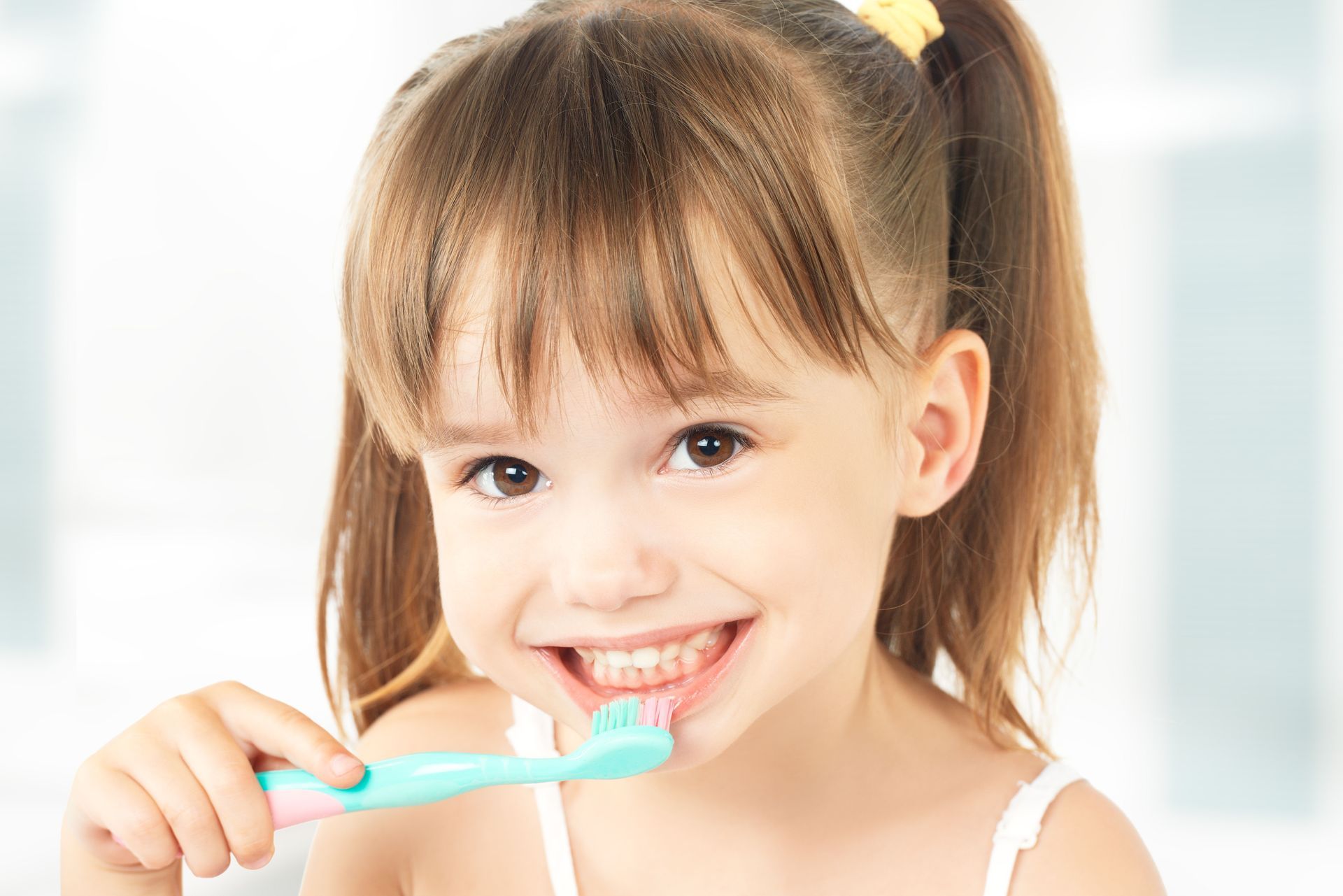
Establishing a dependable morning and evening oral care routine is one of the most effective ways to protect a child's smile. Brushing twice daily for two full minutes, combined with daily flossing, removes stubborn plaque from areas that a toothbrush alone cannot reach. Parents play a vital role in this process by providing direct supervision and hands-on assistance until a child develops the fine motor skills needed to clean thoroughly. Scheduling routine visits with a childrens dentist reinforces these positive home habits, as friendly clinical staff demonstrate proper technique in an engaging, supportive environment. Regular checkups provide an excellent opportunity to reinforce good home habits.
Making daily hygiene enjoyable helps eliminate power struggles and keeps young children motivated to care for their teeth. Interactive tools, such as colorful toothbrushes, fun timers, or visual reward charts, can turn routine brushing into an exciting daily accomplishment. Demonstrating good habits by brushing together as a family normalizes the process and sets a strong positive example. Consistent encouragement paired with playful learning lays a solid foundation for independent, lifelong oral care. Transforming daily care into a shared activity builds lasting enthusiasm for personal hygiene.
Overcoming Dental Anxiety Through Early Visits
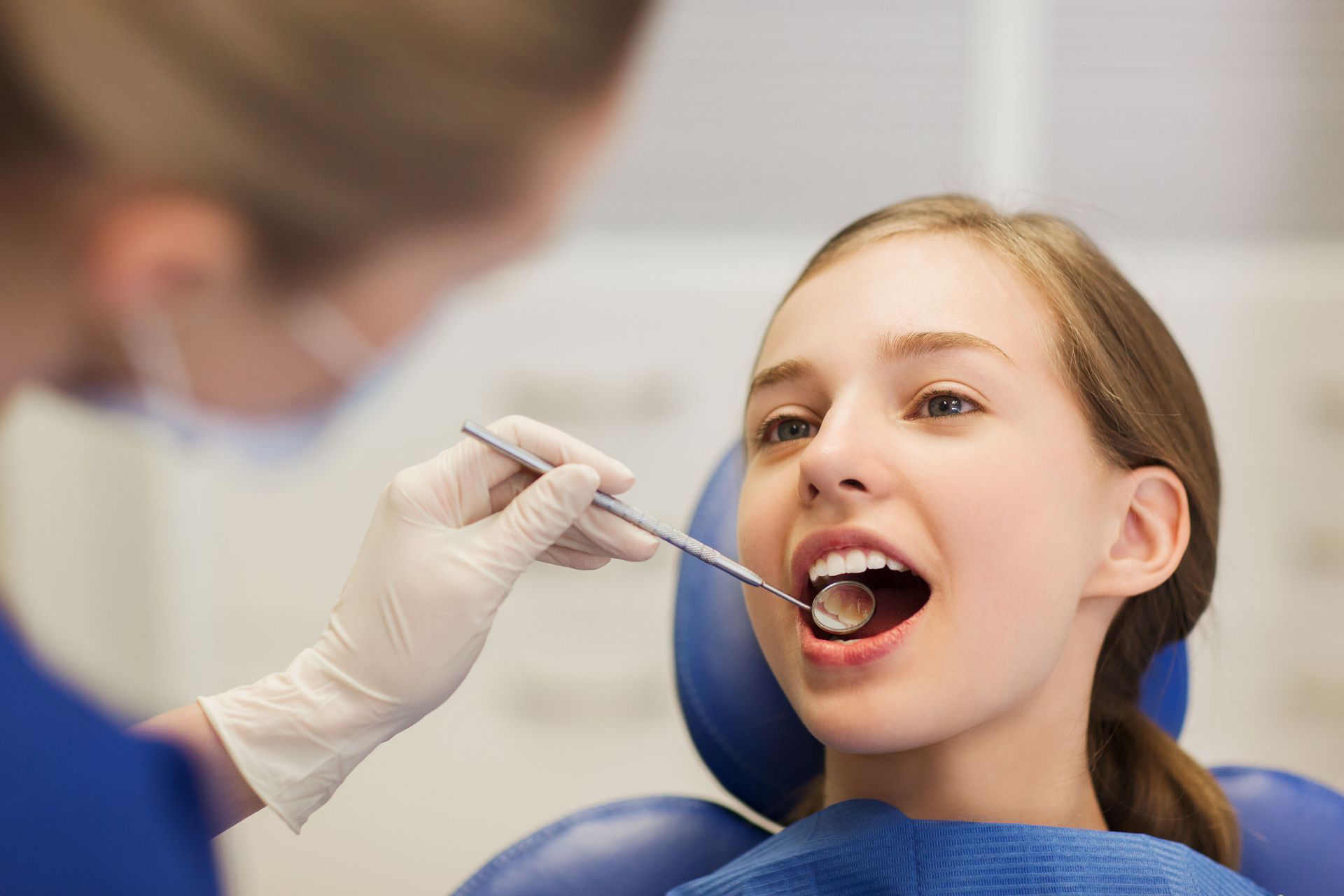
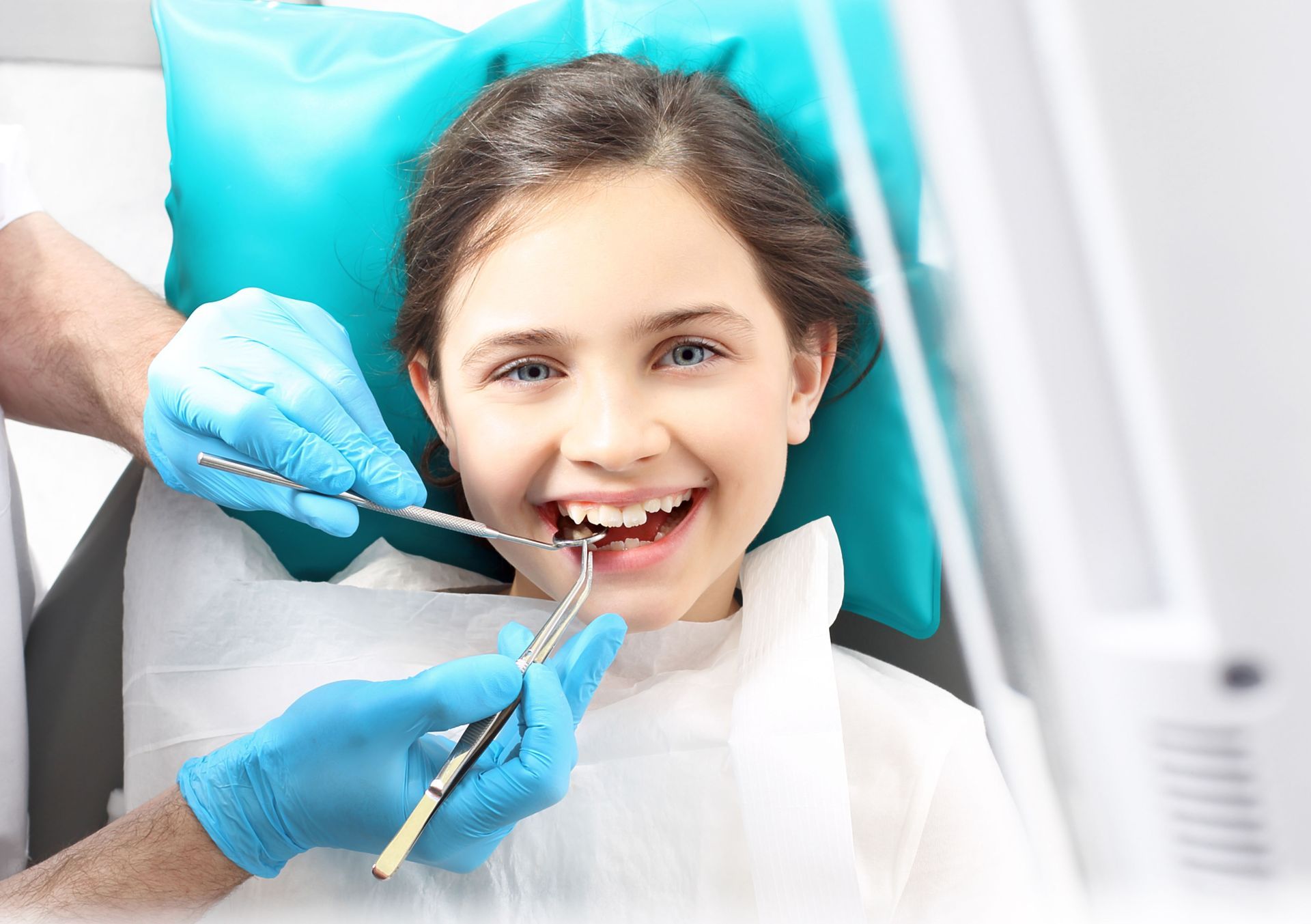
It is entirely common for young children to feel a degree of nervousness when visiting a clinical environment for the first time. Early exposure to gentle, friendly dental environments helps demystify the experience and builds familiarity before any major treatments are ever needed. Preparing children at home through positive conversations, storybooks, or playful role-playing helps frame appointments as positive, educational events. Partnering with a skilled
childrens dentist ensures that each visit is tailored to the child's emotional needs, using gentle communication to build lasting trust. Positive early experiences create a supportive foundation for all future clinical visits.
Regular check-ups enable dentists to spot early signs of decay caused by excessive sugar intake. According to the American Academy of Pediatric Dentistry's 2025 Reference Manual policy on school absences, the number of school hours lost each year because of dental-related illness exceeds 51 million. This statistic underscores the importance of preventive care and early intervention. Establishing a routine for dental visits can also help reduce anxiety and normalize the process for children. Consistent attendance ensures that oral health remains a natural and manageable part of growing up.
Prioritizing early preventive care is the most impactful step a family can take toward ensuring long-term oral health and happy, confident smiles. By addressing habits surrounding sippy cup usage, managing daily sugar consumption, addressing gum sensitivity, and building positive hygiene routines, parents empower their children to grow up with strong, resilient teeth. Consistent care combined with compassionate professional guidance removes uncertainty and ensures every milestone is met with expert support. Taking early action sets the stage for a lifetime of healthy and happy smiles.
If you are ready to give your child the gift of a healthy, bright smile in a welcoming and comfortable setting, contact us today to schedule your next appointment. Their compassionate team is dedicated to providing comprehensive, personalized care tailored specifically to your family's unique needs. Take the first proactive step toward lifelong oral wellness by booking a visit with High Five Pediatric Dentistry today. Reaching out today ensures your child receives the personalized attention and expert care they deserve.