August 19, 2026
Understanding the significance of maintaining good dental health from an early age is crucial for a child's overall well-being. This article delves into various aspects of children's dental health and explores the reasons why it should be prioritized by parents and caregivers. By focusing on early preventative measures, promoting positive dental experiences, and understanding the broad impact on overall health and education, we aim to emphasize the importance of dental health in childhood. Our exploration includes the influence of dietary patterns, the necessity of regular dental check-ups, and the roles of community and policy initiatives in supporting dental health. Through a comprehensive look at these factors, we can better appreciate the critical role dental health plays in setting the foundation for a healthy life.
The Foundation of Lifelong Oral Health
Establishing Healthy Habits Early
Instilling healthy dental habits in children from a young age is essential for lifelong oral health. Early adoption of practices like regular brushing, flossing, and professional dental visits can help children maintain their dental health into adulthood. Once ingrained, these habits tend to persist as children grow, reducing the risk of dental issues in later life. Parents and caregivers play a critical role in reinforcing these practices by setting a good example and making dental care a consistent routine. It's about more than preventing cavities; it's about fostering a lifestyle that prioritizes health.
According to the National Library of Medicine, 40% of children in the United States acquire cavities by kindergarten age, showcasing the necessity for early intervention. Introducing children to dental care at an early age helps combat this troubling statistic. Regular visits to a local dentist can give children the opportunity to become familiar with dental care while allowing potential concerns to be identified early. Education about the consequences of poor dental hygiene can empower children to take ownership of their health. Initiatives that target young children can effectively reduce caries incidence and promote long-term dental health.
Preventing Childhood Dental Diseases
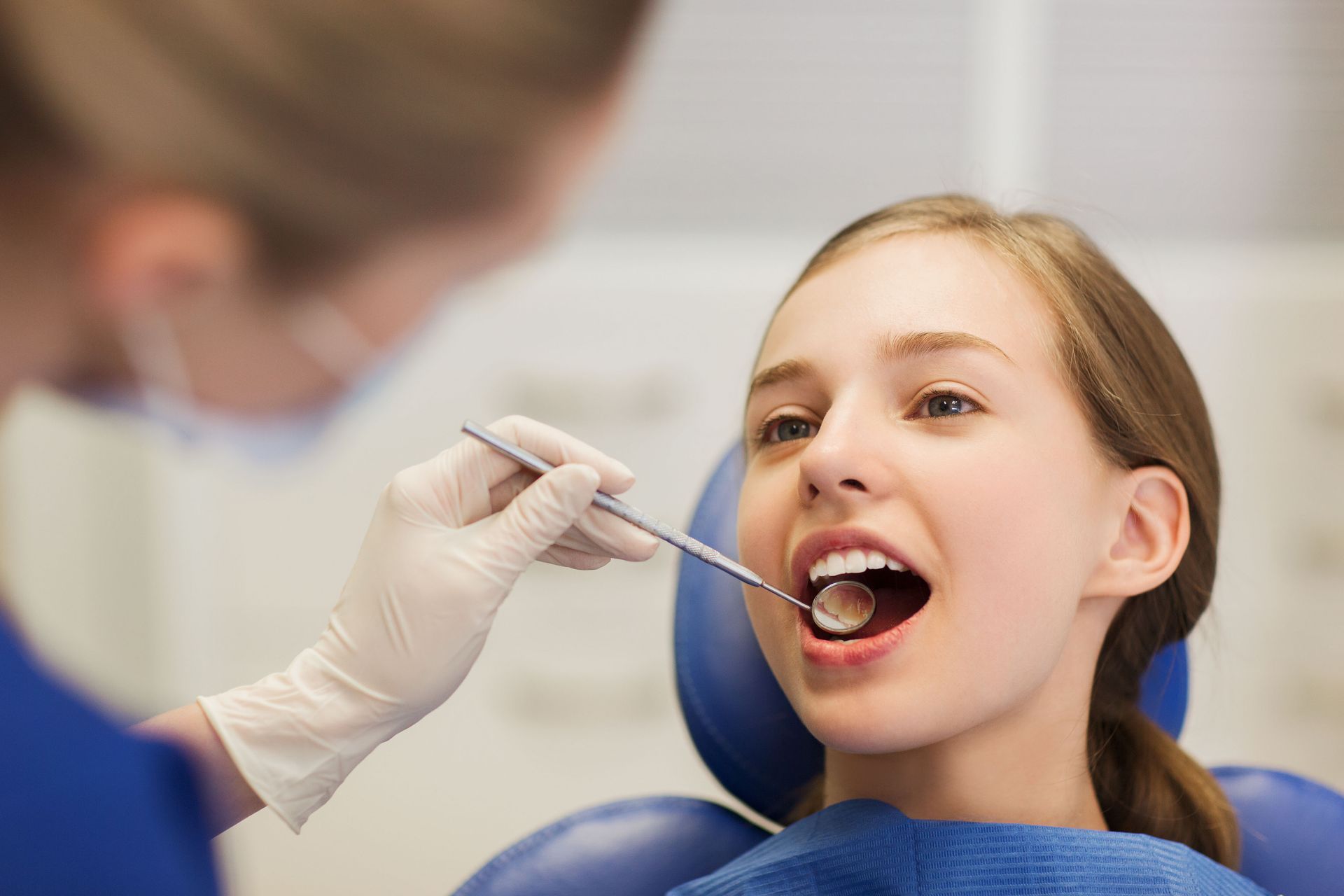
Childhood dental diseases, such as cavities and gum disease, are among the most common health problems in young children. Early prevention strategies are crucial in safeguarding children's health from prevalent issues like caries. Routine dental check-ups with a local dentist can identify early signs of tooth decay, allowing for prompt intervention and minimizing further complications. Parents should emphasize preventive care through proper diet, consistent oral hygiene, and restricting sugary snacks. A proactive approach in preventing dental diseases can lead to significant health benefits and reduce the likelihood of the onset of oral health issues as adults.
Preventive measures such as the application of fluoride and dental sealants can provide additional protection against tooth decay. These treatments have been proven to reduce the risk of cavities in children and are a valuable part of preventive dental strategies. Educating children and parents about these options can enhance the effectiveness of preventive care. Regular communication with dental professionals can provide parents with the necessary guidance to implement these strategies at home. Early prevention is not only cost-effective but also crucial for maintaining a bright and healthy smile.
Promoting Positive Dental Experiences
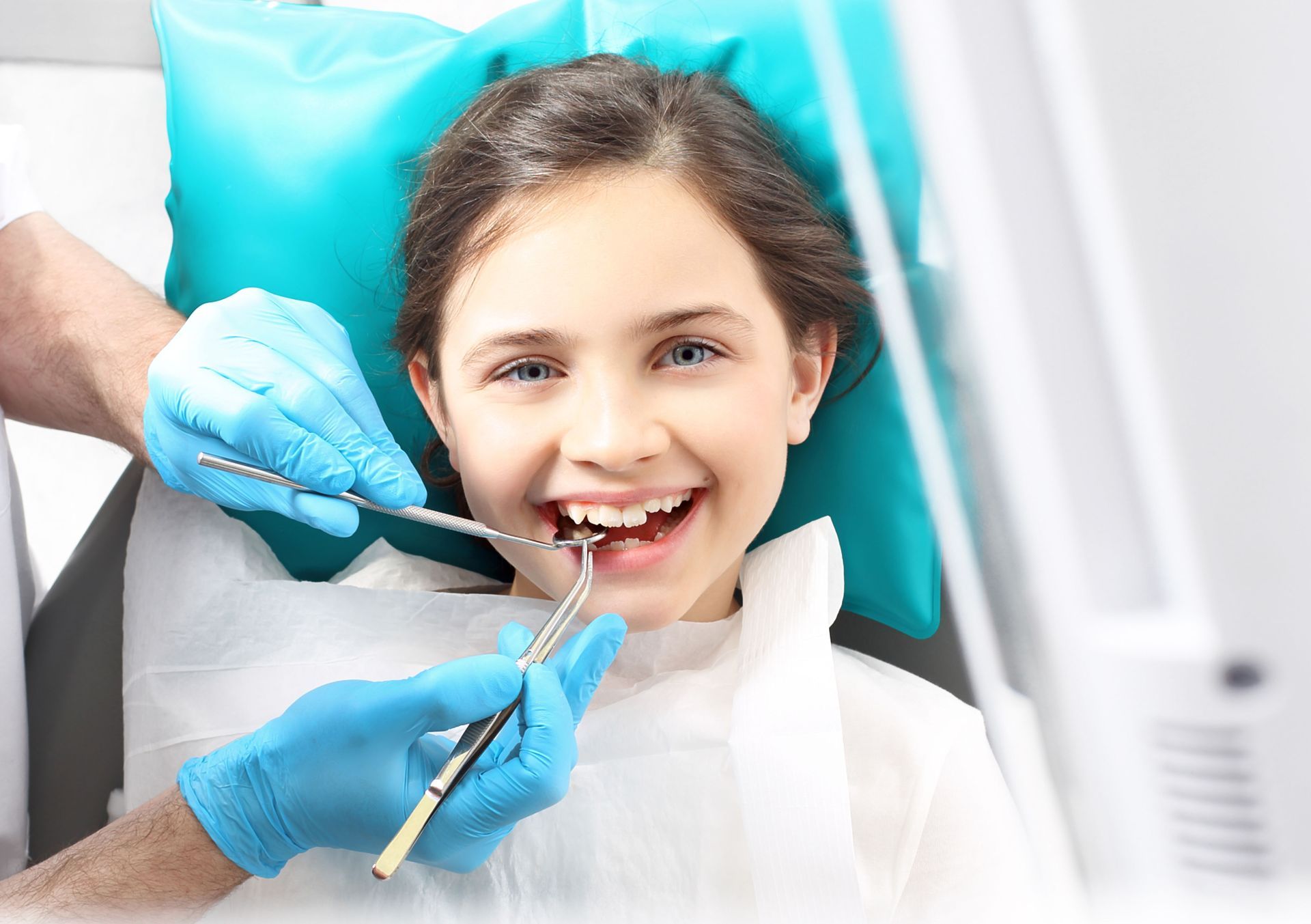
Children's early experiences with dental care can set the tone for their future attitudes towards dental visits. Positive dental experiences can reduce dental anxiety, encouraging children to engage proactively in their oral health. Creating an inviting and supportive environment for children during dental visits can ease apprehensions and build trust. Dental professionals can achieve this by using child-friendly language, a warm demeanor, and involving children through interactive educational activities. Ensuring that dental appointments are viewed positively can lay the groundwork for a lifetime of regular, stress-free dental care.
Parental involvement is key in promoting positive dental experiences. When parents approach dental visits with a calm and positive attitude, children are more likely to follow suit. Parents can prepare their children by explaining what to expect and assuring them of the dentist's role in helping maintain a healthy smile. Establishing a relationship with a local dentist can also help children become comfortable with the dental office and develop familiarity with routine appointments. Bringing a favorite toy or blanket can provide comfort and distract from any anxiety. Emphasizing the benefits of dental care while rewarding cooperation and bravery can transform dental visits into a positive experience.
Impact on Overall Health
Prevention of Systemic Issues
Poor oral health in children can lead to systemic health issues that might persist into adulthood. Dental infections and diseases are not merely confined to the mouth but can affect other parts of the body if not properly managed. Chronic dental problems can lead to inflammation and infections that impact the cardiovascular system and potentially cause other health complications. The link between oral bacteria and conditions such as heart disease and diabetes underscores the importance of maintaining dental health. Preventative dental care, including regular check-ups and proper oral hygiene practices, can play a critical role in preventing systemic health issues.
The immune system can be compromised by untreated dental issues in children, leading to increased susceptibility to routine infections and illnesses. Fighting oral infections can essentially overburden a child's immune system, reducing its ability to protect against other health threats. As children are still developing, extra strain on their health can undermine their growth and delay key milestones. Addressing these underlying dental issues early can mitigate their impact on the body's vital functions. Thus, there is a compelling argument for integrating oral health strategies into broader public health initiatives in communities and schools. Working with a local dentist can give families access to ongoing preventive care and guidance as children grow.
Link Between Oral Hygiene and Self-Esteem
Oral hygiene significantly affects a child's self-esteem and can influence their social interactions. Dental issues, such as visible cavities or missing teeth, can lead to self-consciousness, anxiety, and embarrassment. Children with healthier teeth are more likely to smile confidently, participate in social activities, and express themselves without hesitation. Feeling good about one’s appearance can boost self-confidence and improve interactions in school and playground settings. Therefore, maintaining good oral hygiene is key to fostering a positive self-image and supporting emotional growth.
Early tooth decay and oral health problems can lead to stigmatization and bullying, negatively impacting a child's mental health and self-worth. By prioritizing dental health, parents can help their children avoid these adverse scenarios. Programs that teach children about the importance of maintaining oral hygiene often also focus on building their self-esteem. Positive reinforcement and encouragement can go a long way towards helping children appreciate the value of their smile and overall appearance. Understanding that dental health goes beyond physical wellness to encompass emotional well-being is vital in promoting balanced development in children.
Pain and Discomfort Avoidance
Preventive dental care is crucial in reducing the incidence of painful and potentially debilitating dental conditions in children. Regular brushing, flossing, and professional cleaning can prevent the buildup of plaque, reduce the occurrence of cavities, and lower the risk of gum diseases. When dental issues are addressed early on, children can avoid discomfort and focus on their daily activities, unhindered by pain. Addressing issues such as toothache or gum inflammation promptly prevents them from spiraling into more severe conditions that might require extensive treatments. Ensuring children's comfort through good dental care can significantly impact their quality of life.
Dental pain can be a significant distraction, affecting not only a child's daily activities but also their ability to learn and interact with peers. Pain at school can lead to decreased concentration and mood, contributing to lower academic performance and attendance. By avoiding pain through preventive care, children can maintain their academic engagement and focus on achieving their educational goals. Parents, educators, and health professionals should work together to create environments that prioritize effective and accessible oral health practices. Regular appointments with a local dentist can be one part of this preventive approach, helping families address concerns before they interfere with a child's daily life.
Good dental health plays an important role in a child's physical, emotional, and educational well-being. By establishing healthy habits early, scheduling regular dental visits, and addressing potential problems promptly, parents and caregivers can help children avoid unnecessary pain and complications while building positive attitudes toward oral care. Prioritizing dental health during childhood not only supports a healthy smile but also lays the foundation for healthier habits and greater confidence throughout life. For a
local dentist you can rely on, contact High Five Pediatric Dentistry today.